Hazmat Transportation Laws: Special Requirements for Chemical Carriers
What are the requirements for transporting Hazmat in 2026? To legally transport hazardous materials in the USA, a driver must hold a CDL with an “H” or “X” (tanker + hazmat) endorsement, pass a TSA background check, and complete ELDT training. In 2026, a new exception allows states to waive the “H” endorsement for drivers hauling 1,000 gallons or less of Jet A fuel for agricultural use.
The process of transporting hazardous materials is a very regulated activity because of the high risk it presents to human life, safety as well as the environment. Errors during the hazmat transportation, including incorrectly labeled containers or untrained drivers, may result in serious accidents like fires or lethal exposure. The Hazmat laws develop an all inclusive safety system that regulates all the facets of chemical handling, including classification and transportation. Chemical carriers do not choose whether to comply or not; it is a very important priority in their operations and there are stringent regulations that are taken to ensure safety and to avoid disasters. This paper will illuminate these regulations, emphasize the special needs of chemical carriers, and give advice on staying within the legal framework and working productively.
What Qualifies as Hazardous Materials
Regulatory bodies assign hazardous materials depending on their physical properties, chemical properties, and health hazards such as their tendency to produce sparks, corrosiveness, toxic to tissues, toxic reaction to water, or produce radiations that are harmful to the body.
Common qualifiers include:
- Flammability: Flammable liquids or gases.
- Toxicity Definitions Toxic substances are substances that are toxic and even lethal when they are inhaled, consumed, or absorbed.
- Corrosiveness: Materials that ruin skin or destroy metals.
- Reactivity: Substances that detonate or emit energy upon encountering specific conditions.
Common Chemical Categories Transported
Chemical carriers regularly transport a wide range of hazardous materials, including:
- Industrial acids and bases
- Fuels and petroleum products.
- Compressed gases such as chlorine or ammonia.
- Farm chemicals like pesticides and fertilizers.
- Intermediates in the manufacturing process are chemical.50.
Why Chemical Carriers Face Stricter Regulations
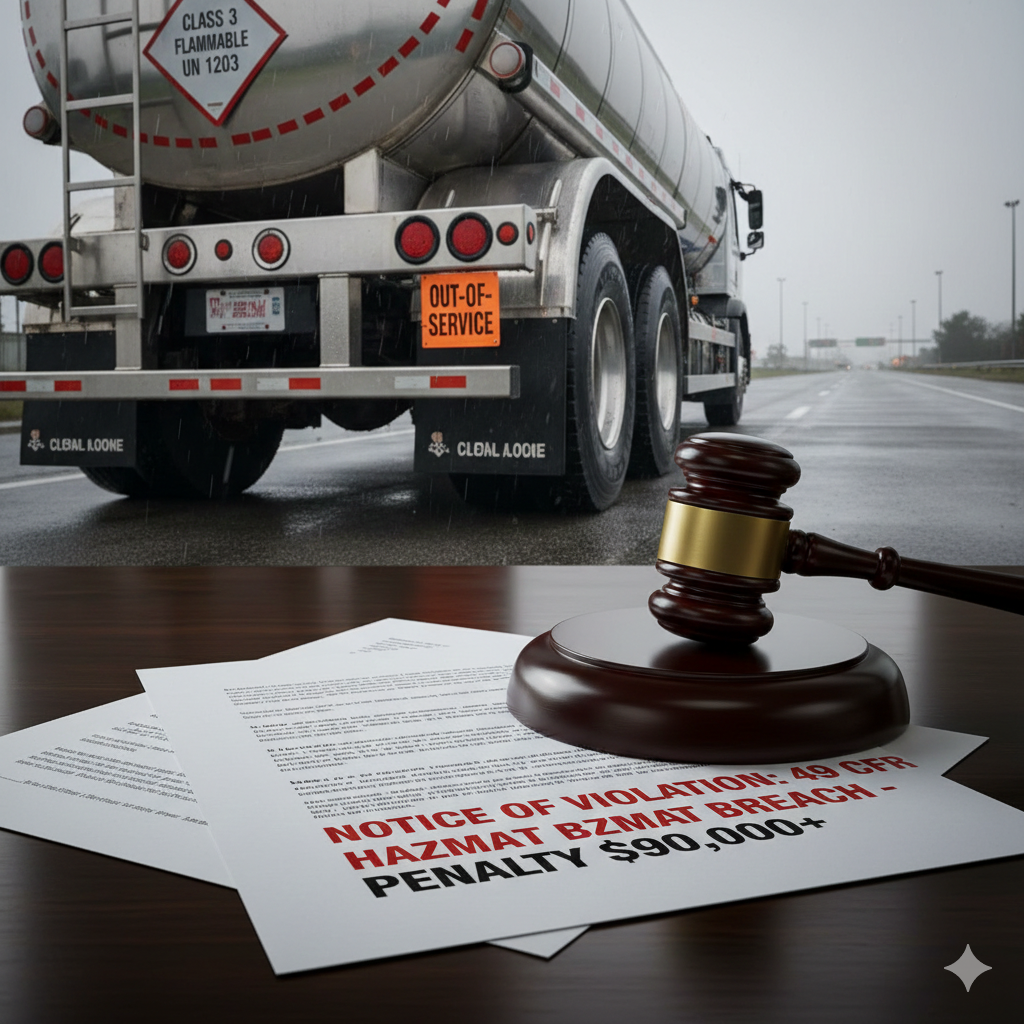
The rules of the chemical carriers are strict because of serious threats in case of a failure in transportation, including evacuations and ecological catastrophes. Such regulations are imposed by governments to reduce the risks of harmful chemicals to the populations and ecosystems, particularly in the open spaces. The hazmat laws have been influenced by past events and thus it is very important to adhere to them to avoid future tragedies
High-Risk Scenarios in Chemical Transport
High-risk scenarios include:
- Accidents that happen with tankers on the highway.
- Rail accidents with poisonous chemicals.
- Poorly locked containers in marine transport.
- Chemicals accessed or stolen unlawfully.
Key Governing Bodies Regulating Hazmat Transportation
The laws governing hazmat transportation are aimed at minimizing the hazards of people through the transportation of chemicals with an emphasis on the classification and mode of transportation. Compliance enforced by regulatory agencies includes inspections and fines, as well as provides resources and training to the carriers to address risks and adjust to the changes in the global supply chain.
U.S. Department of Transportation (DOT)
U.S Department of Transport (DOT) plays the role of overseeing the safe transportation of hazardous substances through different modes of transportation such as highways, rail, airways, and waterways. The chemical carriers are subject to DOT regulations.
DOT rules govern:
- Hazard classification
- Standards of packaging and containers.
- Labeling and placarding
- Training requirements
- Incident reporting
Pipeline and Hazardous Materials Safety Administration (PHMSA)
PHMSA is a subdivision of the DOT, but its work is too specialized to be given individual consideration. PHMSA creates and implements the Hazardous Materials Regulations (HMR) that form the foundation of chemical transportation compliance in the U.S.
PHMSA oversees:
- Systems of hazard classification.
- Approves and testing of the packaging.
- Registration of hazmat carriers.
- Emergency response data.
Role of International Regulatory Authorities
Transportation of chemicals does not respect national boundaries. International deliveries should be under international standards that are put by bodies like:
- United Nations (UN)
- International Maritime Organization (IMO).
- International Civil Aviation Organization (ICAO)
Federal Hazmat Transportation Laws Explained
Hazmat transportation laws of the federal government address compliance, transportation of hazardous materials and safety standards, such as identification of authorized carriers and methods of transportation and imposing penalties in case of non-compliance and grant regulatory inspection authority.
Hazardous Materials Transportation Act (HMTA)
The Hazardous Materials Transportation Act is the seminal hazmat legislation in the U.S. It gives the federal government powers to oversee the movement of hazardous materials in commerce and establishes the basis of all the regulations.
Under the HMTA, chemical carriers are required to:
- Categorize hazardous materials correctly.
- Use approved packaging
- Train workers who deal with hazmat.
- Have proper shipping records.
- Report incidents promptly
Scope and Legal Authority
The HMTA is applicable to any party that is engaged in the movement of hazardous materials including:
- Shippers
- Carriers
- Loaders and unloaders
- Freight forwarders
Chemical Classification and Identification Requirements
Proper labeling of hazardous material is crucial to the safety of transportation because improper labeling can lead to failure of the packaging and placarding of the shipments. Hazmat regulations underline the importance of proper classification which has an influence on the totality of safety systems. Chemical carriers ought to embrace common international packaging risk classification systems to communicate risks correctly to emergency personnel, inspectors and logistics associates.
The chemical carriers should guarantee:
- The chemical is equivalent to the UN number.
- Shipping name is in proper form without abbreviations.
- Record keeping indicates proper identification.
Errors in this case may slow down deliveries, cause inspection, or fines.
Packaging and Container Standards for Chemical Carriers
Hazardous materials should be transported in a safe way, and that is why packaging is necessary, which should meet legal requirements. The containers should be able to resist vibrations, impacts, pressure and change in temperature and this requires strict testing to make sure that the hazardous chemicals are safely contained under different conditions.
Approved Packaging Types
Approved packaging may consist of:
- Drums
- Intermediate bulk containers (IBCs).
- Cylinders
- Tank cars or tank trucks
Testing, Certification, and Markings
The use of packaging is to be tested and certified. The certified containers bear a mark indicating:
- The hazard group has been granted.
- The date of test and manufacturer.
- The use of uncertified or spoilt containers is a significant breach and a significant risk to safety.
Labeling, Marking, and Placarding Rules
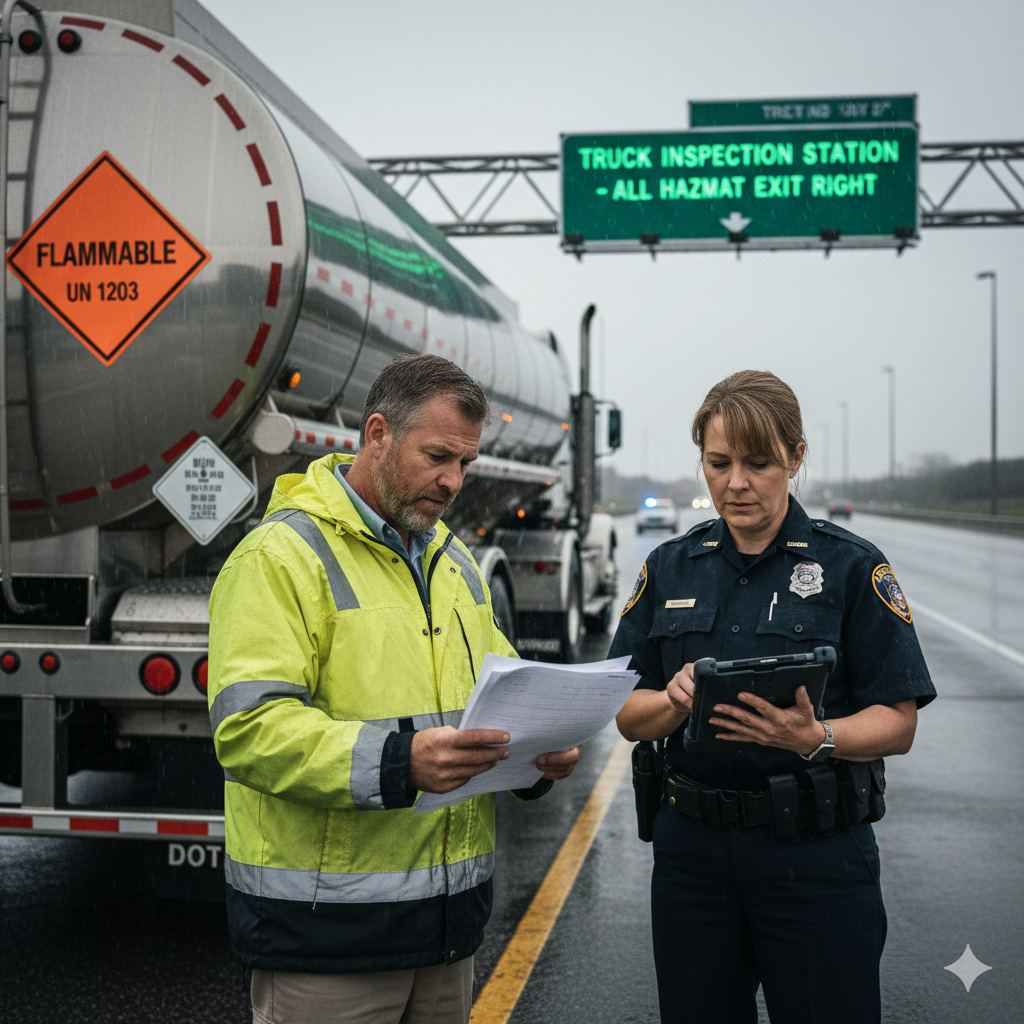
Hazmat transportation visual language is composed of labels and placards. They transmit the danger immediately even to a person who has never seen the shipment. The hazmat laws stipulate that chemical carriers must be labeled with certain labels and placards to caution the handlers, drivers, and emergency responders.
Required Labels for Chemical Hazards
The hazards labels on packages should reflect the major and minor dangers of the chemical. These labels are standardized in terms of colors, symbols and wording to eliminate confusion.
Examples include:
- Flame signs of inflammable substances.
- Toxic substances Skull-and-crossbones.
- Corrosion markings of acid and base.
Documentation and Shipping Papers
Life is saved in paperwork in hazmat transportation. Shipping documents give vital data to all the parties in the transport chain, particularly the emergency responders. The chemical carriers should also make sure that documentation is accurate, complete and easily available.
Bills of Lading and Emergency Response Information
Shipping papers must include:
- Proper shipping name
- UN number
- Hazard class
- Quantity
The access to emergency response information should be instant in case of an incident.
Recordkeeping and Retention Requirements
Records have to be kept by the chemical carriers over given durations. These records demonstrate compliance and are normally inspected at audits or investigations.
Requirements of Driver Training and Certification
Drivers delivering hazardous chemicals are not merely operators, they are on-the-ground safety professionals. The hazmat laws demand chemical carriers to train, certify and vet drivers.
Hazmat Endorsements and Background Checks
Drivers should possess hazmat endorsement and undergo background checks. This eliminates the chances of accidents and malicious use of chemicals.
Ongoing Training and Safety Drills
Training is not a single occurrence. Chemical carriers should ensure that they train the drivers regularly to keep them updated on rules, equipment and emergency action.
Equipment Requirements and Vehicles Standards
All this is as a result of hazmat laws that seek to minimize risk such that the transportation of chemicals is done with special vehicles and safety equipment.
The tankers and transport vehicles have to follow certain design criteria, which take into account the chemicals being transported with the focus on pressure ratings, valve protection, and structural integrity.
Some of the necessary safety gears required in these vehicles are
- Fire extinguishers
- Spill containment kits
- Emergency communication equipment.
Routing and Transportation Restrictions
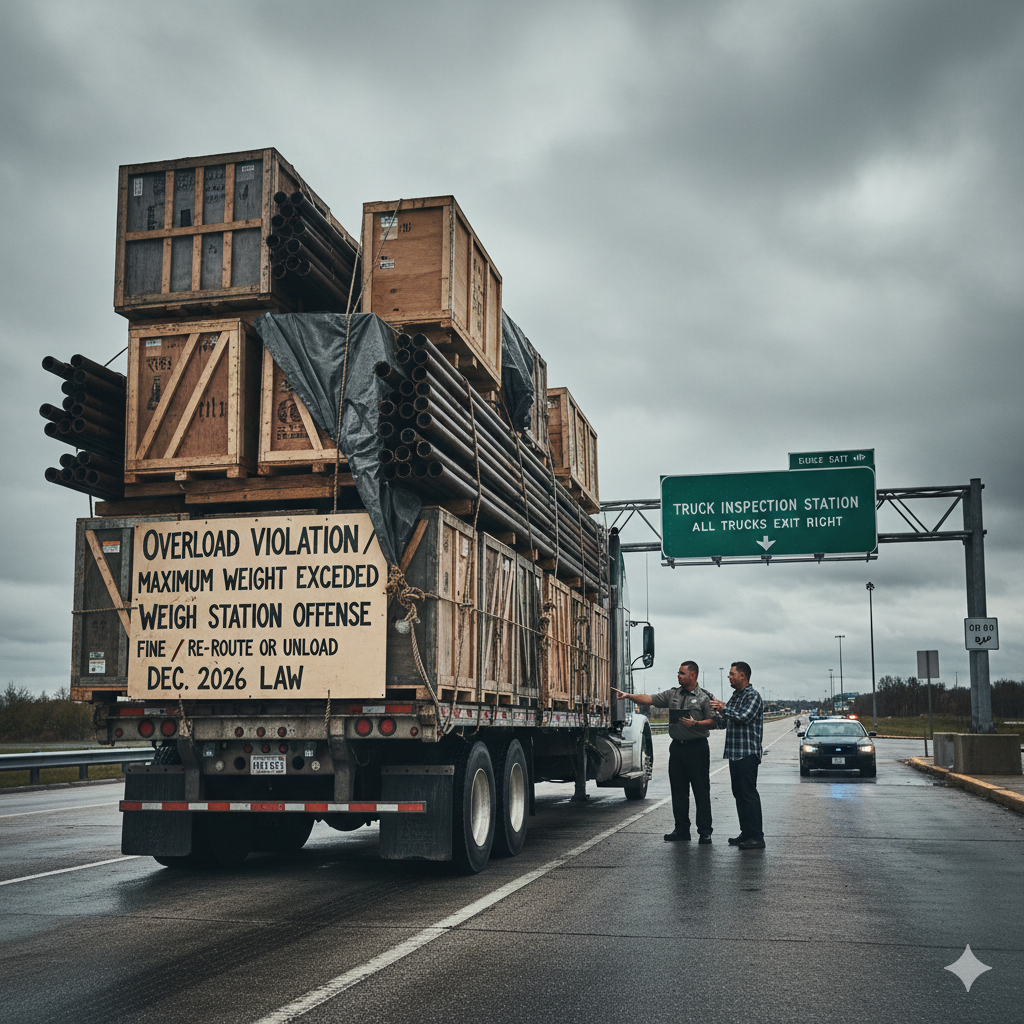
The hazmat laws govern the transportation of chemicals and the routing to ensure that the risks caused to the populated areas are minimized. The chemical carriers should use the established routes to minimize the exposure of the community and be restricted in the cities and in sensitive places, and might need special permits to pass through certain infrastructures such as tunnels and bridges.
Future Trends in Hazmat Transportation Regulations
- The policies of Hazmat are also changing with the changing technology and change of priorities in the environmental issues.
- There is a regulatory trend of clean and safer means of transport and this is focusing on sustainability and green transport.
- Digital compliance systems are adopting automation and real-time reporting.
Conclusion
There is one simple reason why hazmat transportation laws exist and this is because chemical transportation has risks which require respect, preparation and accountability. In the case of chemical carriers, compliance is not only about not being punished but it is also a matter of saving lives, communities and the environment. Through knowledge of special needs, and development of effective safety systems, carriers can transport hazardous chemicals in a responsible manner and maintain efficiency in operations.
“Weight distribution is even more critical when hauling liquid chemicals in tankers—see our guide on 18-wheeler weight limits.”
FAQs
- Why do the chemical carriers have stricter regulation as compared to other transporters?
Since chemical accidents may lead to massive damage to individuals and the environment.
- Who is the enforcer of hazmat transportation in the US?
The DOT and PHMSA, in the first place, and the state authorities.
- What would occur with the misclassification of a chemical?
Several things that can occur due to misclassification include fines, delays in shipments, and risk of accidents.
- Are small shipments of chemicals under hazmat laws?
Yes, a lot of rules are imposed no matter the size of shipment.
- And what is the frequency of the need to renew hazmat training?
Training should be updated periodically, usually in a few years or in case of changes in regulations.
The content published on this blog is intended solely for informational and guidance purposes. We do not offer, promote, or provide any services through this website.