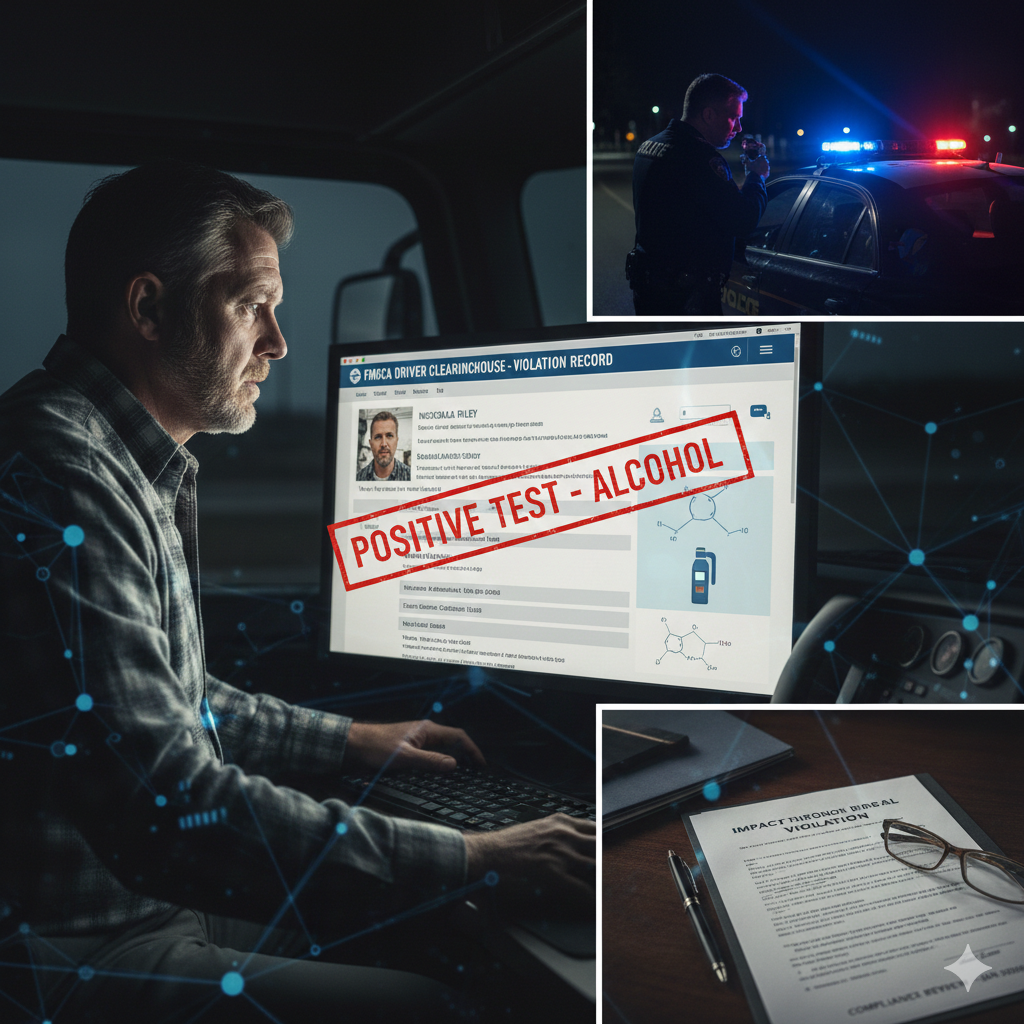
Top Criminal Defense Lawyers in the USA for Accidental Charges
Can you be charged with a crime for an accident? Yes. In the USA, if an accident involves “Criminal Negligence” or “Reckless Disregard” for life, the state may file criminal charges such as involuntary manslaughter or vehicular assault. In 2026, top defense lawyers fight these charges by proving “Lack of Intent” and using digital evidence to show that the event was a “Pure Accident”—a legal defense that negates the men’s rea (criminal mind) required for a conviction.
How “Accident” Works as a Legal Defense in 2026
To successfully use the “Accident Defense,” your lawyer must prove three things:
-
No Criminal Intent: You did not mean to cause harm.
-
No Criminal Negligence: Your actions weren’t so reckless that you “should have known” harm would occur.
-
Lawful Activity: You were acting legally when the accident happened (e.g., you weren’t speeding or under the influence).
The place of accidental criminal charges in the legal system of the United States is a very distinct and poorly understood one. These are the cases that usually arise when the damage is caused without intentionality but the criminal ability to do it is still brought to bear against certain legal standards. The way these cases are considered and the legal experts, who contributed to the development of this area, can assist the readers in acquiring better educational insight on the accidental criminal law in the USA.
Accidental criminal charges are the ones that are usually concerned with the occurrences when a person did not intend to commit a crime but the actions lead to harm, injury or death. The criminal law of the U.S. does not necessarily imply the malicious intent to be prosecuted. Criminal responsibility may be based on negligence, recklessness or strict liability in certain circumstances.
In comparison with intentional crimes, accidental cases require particular attention to legal consideration since the line between a bad accident and a criminal act is usually thin and fact-based.
This article is purely educational. It neither offers legal advice, nor endorsements and recommendations.
What are Accidental Criminal Charges?
An accidental crime usually constitutes:
- The lack of intentional or intentional intent.
- Behavior that causes harm, loss of life or damage by accident.
- Criminal charges grounded on carelessness or wantonness, but not ill will.
Courts pay special attention to the question whether a reasonable man could have predicted the risk in question and whether the right precautions or care was taken when the incident in question occurred.
Typical Accidental Criminal Cases
Criminal charges can be brought against a person accidentally in a very broad array of situations that take place in everyday life such as:
- Cases of involuntary or negligent manslaughter.
- Incidents of unintentional discharge of firearms.
- No intent to cause harm accidents involving DUI.
- Breach of safety regulations at the workplace that would cause grave harm or death.
- The charges of accidental child endangerment.
- Accidental cases of domestic injuries.
These cases show that in some situations, common everyday activities can result in criminal responsibility in the event of an injury.
The Use of criminal defense lawyers in Accidental Cases
The criminal cases that are accidental in nature usually have intricate legal issues that extend beyond the evident acts of wrong. In these cases, criminal defense attorneys are very crucial in assisting the courts to read between the facts, intent and legal responsibility in the context of criminal law.

Intent, Negligence, and Legal Responsibility
Criminal defense attorneys in accidental cases pay attention to the detailed examination of the situation. They usually have to investigate:
- The question is whether the intent of the criminals was proven or could be reasonably assumed.
- The extent of negligence or carelessness.
- Adhering to relevant safety laws or regulations.
- Causal relationship between what an individual does and what harm it would cause.
Since intent is not easily known, accidental cases are often reliant on interpretation as opposed to actual evidence of criminal activity.
Special Legal Problems in Unintentional Charges
Criminal cases that involve accidental criminal charges are characterized by various legal issues that make them different to criminal cases that are intentional. Due to the ambiguity or lack of intent, the courts have to go into thorough factual and technical examination to establish the existence of criminal responsibility.
These cases are often concerned with:
- Detailed analysis of technical or scientific evidence in order to recreate events.
- Excessive use of expert-testimony, such as medical, forensic, or engineering experts.
- Witness statements that are conflicting or disputed and which need to be evaluated carefully.
- Wide discretion in prosecution in determining whether to file charges or not.
All of these complicate accidental criminal cases in particular. They are also academically significant, in that they depict how the criminal law manages to strike a balance between accountability and fairness in the case of harm that is not caused intentionally.
The Methodologies of Top 30 Criminal Defense Lawyers
The mentioned lawyers in this article are there just to be educated. They are included on the basis of publicly available professional records, historical recognition, and contributions to the field of criminal law, not on the basis of endorsement or recommendation.
Evaluation Criteria
The choice is informed by a number of educational indicators, such as:
- Sufficient criminal defense practice.
- Participation in negligence or unintentional criminal behavior cases.
- Peer-recognition, legal publications, or scholarly work.
- Teaching, writing or professional leadership in criminal law.
Top 30 Best Criminal Defense Lawyers in USA due to Accidental Charges
The lawyers mentioned below are well known in terms of their influence, experience, and input in criminal defense law in the United States. They are added only to serve as a source of education and to indicate those whose work is characterized by a significant amount of work in complex criminal liability and trial practice.
Best Criminal Defense Attorneys (1-10)
Mark Geragos – California based and is a lawyer who has dealt with intricate criminal liability cases and high-profile defense cases that have required a delicate interpretation of intent and responsibility.
Alan Dershowitz – New York based lawyer with a long history of academic work in the field of criminal law and constitutional defense principles.
Jose Baez – A trial attorney at a Florida-based firm that has had experience in high-stakes criminal cases that demand a factual and evidentiary analysis.
Barry Scheck – a New York based person who specializes in forensic evidence and who has contributed to the scientific examination of criminal cases.
Benjamin Brafman – A New York lawyer that is known to have a great experience in courtroom litigations that have involved complex criminal cases.
Thomas Mesereau – Practicing in California, he is a jury trial advocate and an expert in looking at the issue of evidence.
Roy Black – Roy Black has located his practice in Florida and his career has been centered in complex criminal defense cases that require significant interpretation of the law.
Robert Shapiro – A Californian lawyer known as a commentator and who has long been involved in criminal defense practice.
Harland Braun – He is based in California and has specialized in trial advocacy and experience with highly complicated criminal litigation.
David Boies – New York, a litigator who has engaged in strategic litigation, as well as participated in landmark litigation.
Criminal Defense Lawyers of high reputation (11-20)
- Michael Baden – influence on the forensic testimony.
- Preet Bharara – criminal law wisdom of the federal government.
- Neal Katyal – criminal court of appeal.
- Paul Clement – federal criminal appeals.
- Lisa Bloom – the cross-section of civil and criminal law.
- Abbe Lowell – federal defense policy.
- John Keker – complicated litigation matters.
- Kenneth Starr – defense and prosecutorial experience.
- Rachel Paulose – criminal procedure experience.
- Dan Webb – trial experience in federal court.
Established Criminal Defense Lawyers (21-30)
- F. Lee Bailey – historic impact on criminal defense.
- Gerald Lefcourt – civil liberties advocacy.
- Ellen Brotman – appellate practice specialization.
- Jack Zimmermann – trial strategy.
- Rusty Hardin- experience in jury defense.
- Paul Callan – prosecutor history.
- Jane Fisher-Byrialsen – judicial wisdom in criminal law.
- Kevin O Brien – trial and appellate cases.
- Federal criminal defense – Susan Necheles.
- Andrew McCarthy – comments on criminal law.
How U.S. Courts Evaluate Accidental Crime Cases
The U.S. courts pay much attention to the analysis of the facts and circumstances of the cases when it comes to the accidental crimes. Judges and juries have to decide whether an event was a true accident or it included an act that was at the legal standard of criminal responsibility. This analysis usually involves weighing between the law and practice.
Critical Judicial Factors
Some of the factors that are normally evaluated by the courts include:
- Some of the factors that are normally evaluated by the courts include:
- Degree of negligence, which looks at the question of whether reasonable care was taken.
- Reasonableness of harm, whether the resultant harm was foreseeable.
- Adherence to safety requirements, e.g. laws, regulations, or industry standards.
- Past behavior or warnings of Defendant.
All these factors assist the courts to apply a difference between unfortunate accidents and those acts that should attract criminal punishment.
Role of Expert Witnesses
Expert testimony is very important in accidental crime cases. Courts frequently rely on:
- The accident reconstruction experts to clarify the manner in which something went wrong.
- Healthcare personnel to investigate injury or fatality.
- Engineering or safety professionals to check the adherence to technical standards.
This specialized interpretation and interpretation may frequently influence the interpretation and comprehension of evidence.
Criminal vs Civil Consequences in Incidents of Accidents
There can be both criminal and civil legal consequences of an accidental incident, and each has a different application. The criminal cases are concerned with establishing guilt and handing out punishment whereas the civil cases are concerned with responsibility and compensation of money. There is also the issue of burden of proof where criminal cases have a higher threshold of certitude.
Parallel Legal Proceedings
In other cases, one accidental incident can lead to both criminal and civil prosecution. Such cases are dealt with separately and the results in one case are not necessarily the same in the other.
Educational Considerations When Researching Criminal Defense Lawyers
Understanding Rankings
Legal rankings are not predictive but informational of the outcomes. Every case relies on facts, jurisdiction and law.
Importance of Jurisdiction
The U.S. criminal laws vary greatly between states, which has an impact on the prosecution and defense of unintentional charges.
Conclusion
Misdemeanors are still among the most complicated and delicate spheres of the criminal justice system in the United States. These cases demand the courts to review and scrutinize the factual circumstances, the degree of negligence and the existence or the lack of criminal intent. Although the harm can be unintentional, it can also be legal under the interpretation of actions under the law. The discussion of the accidental crime cases and the legal practitioners involved in the case makes the reader gain a better insight into how accountability, fairness, and due process are balanced in the complex cases. Judicial standards to evidentiary requirements, accidental charges emphasize the need to study the law very keenly to differentiate between unfortunate accidents and acts that should be subject to criminal proceedings.
-
Read This “Cases on Defense of Accident“ post. (“As we discussed in our guide on accident defenses, proving a ‘Sudden Emergency’ can often stop a criminal charge before it reaches a jury.”)
-
Read more about “Best Lawyers in America 2026“
FAQs
Is there any state where accidental crimes are prosecuted?
Yes, accidental or unintentional crime is known in all U.S. states in one way or another. Nevertheless, the definitions of law, negligence levels, as well as possible punishment, can differ dramatically across states.
Is it possible to charge a person even in case of unintended harm?
Yes, a criminal prosecution can still be made out when prosecutors are able to prove that a person committed negligence, recklessness, or that a person failed to exercise a legal duty of care, even without the intent to harm.
Do unintentional charges always result in prison?
No, not all the accidental cases are followed by imprisonment. Depending on the situation, the results can be termination, probation, fines, or other forms of sentencing.
Does the criminal conviction necessarily require intent?
Not always. Some criminal offences are based on negligence or strict liability, in which the intent is not a necessary condition in proving criminal responsibility.
Note: The content published on this blog is intended solely for informational and guidance purposes. We do not offer, promote, or provide any services through this website.