ELD Mandate 2026 Updates: What the New FMCSA Changes Mean for Drivers
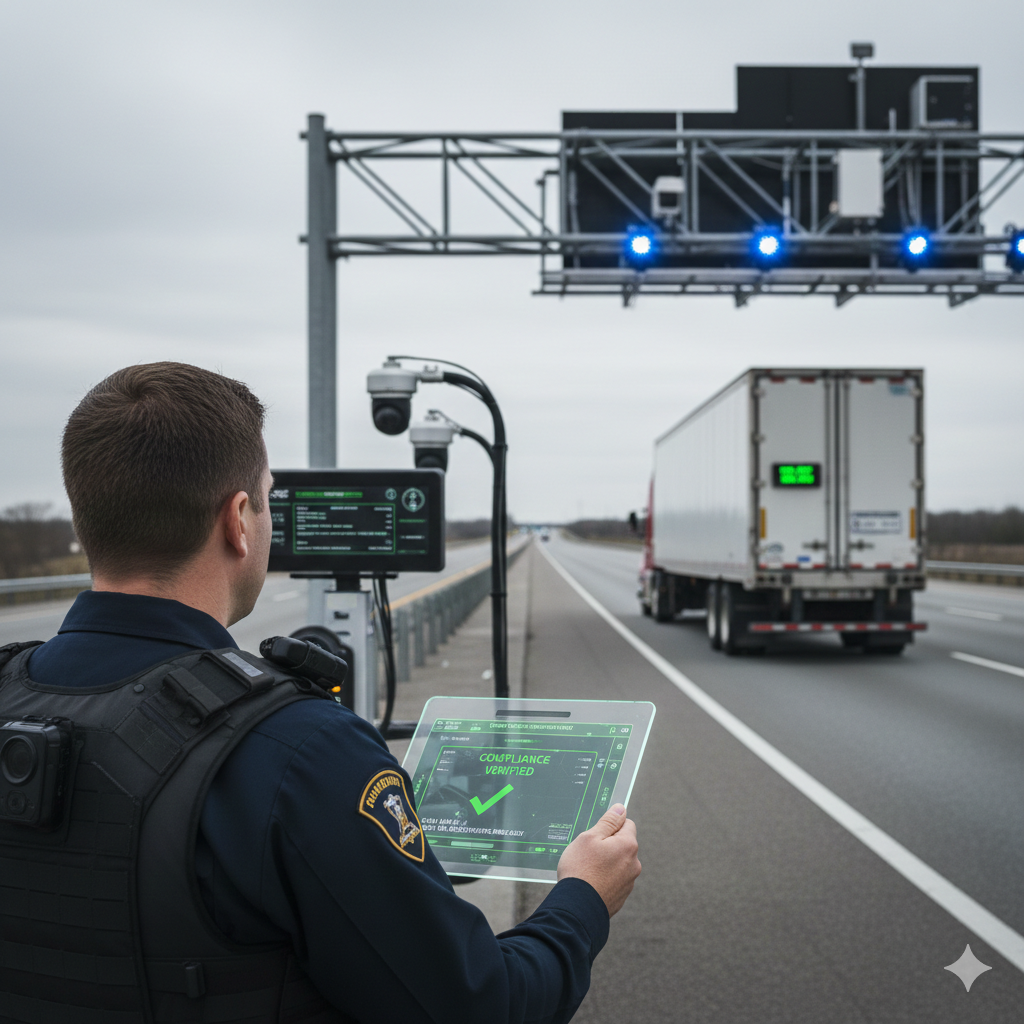
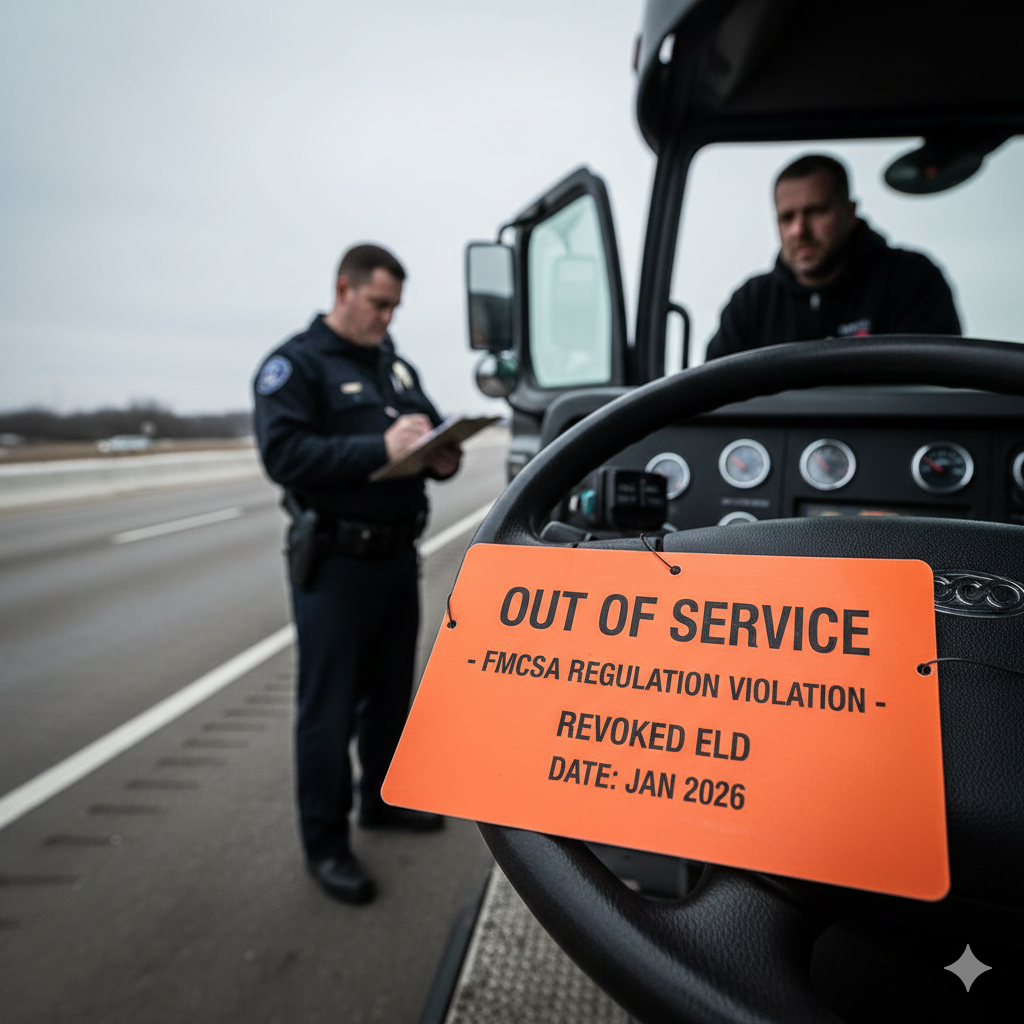
What are the 2026 ELD mandate updates? The most critical 2026 update is the automated enforcement of revoked ELDs. As of February 2026, drivers using devices removed from the FMCSA Registered List will be placed Out-of-Service (OOS). Additionally, new technical standards require continuous GPS tracking at 60-minute intervals and the removal of the requirement to carry a physical ELD user manual in the cab.
The Electronic Logging Device (ELD) mandate has been updated, contingent on the introduction of the updated version by the Federal Motor Carrier Safety Administration (FMCSA) in 2026. These changes are important to the commercial drivers, fleet operators and other stakeholders in the transportation industry. The purpose of this blog is to give you a clear and educational overview of the 2026 updates so that you can prepare without being driven by a desire to sell any particular services or products.
We will now explore the meaning of these updates, how it will affect your day to day operations and what actions you will need to take to remain compliant.
The blog can be used as an educational tool to offer a clear picture of what the changes likely to occur to the drivers and the whole industry entail. This is not meant to market any particular services but to make you aware of the new developments that are to take place, how this may affect you, and what you can do to ensure you are ready to face them.
The 2026 “Revoked ELD” Crackdown
-
The 60-Day Rule: If your ELD is revoked, you have exactly 60 days to replace it.
-
Enforcement Deadline: Mention the February 7, 2026 and March 15, 2026 deadlines for major device removals.
-
The Penalty: Explain that “No Record of Duty Status” (395.8) is now a primary reason for roadside shutdowns.
A Quick Recap of the ELD Mandate
The ELD requirement that began to be implemented in 2017 requires commercial drivers to install electronic logging devices that would assist them in monitoring their hours of service and maintain Hours of Service (HOS) rules. The reason behind this was to reduce road accidents that emerged as a result of fatigue in drivers and increase the accuracy of the data that is used in a check-up. Stricter standards will be established by 2026, and they will be aimed at updating the means of transportation and making it secure.
In simple terms, the ELDs automatically record driving hours, engine hours, position, and miles covered, which removes the inaccuracies in the hand-written logbooks and makes it easier to ensure compliance by regulatory authorities.
What’s Changing with the 2026 Updates?
The FMCSA has suggested a number of changes to the ELD requirement, the most significant of which is aimed at enhancing the safety level, increasing the functionality of the devices, and strengthening the control over the legislation. The following is the schedule of what is happening:
1. Enhanced ELD Functionality
The improvement of ELD technology will be among the main changes in 2026. Although the existing ELD systems are already capable of tracking the necessary data such as the number of hours worked and engine hours, the new systems are likely to have more sophisticated capabilities such as:
- Real-Time GPS Tracking: Drivers and fleet managers will be able to have more reliable and real-time location details that can help to optimize routes, reduce wastage and monitor traffic patterns.
- Automated HOS Violation Alerts: The new ELD systems will be capable of alerting drivers and fleet managers whenever they are about to enter or exceed their HOS limits.
- Monitoring Behaviors of the driver: The 2026 ELDs are likely to have an aspect of monitoring driving behaviors beyond working hours such as speeding, harsh braking, and acceleration. The indicators will help the fleet managers to identify unsafe driving behaviors and take corrective measures.
2. Data Sharing and Transparency
More focus on data-sharing functions is likely to be seen, in which drivers, fleet managers, and regulatory authorities will experience a smoother flow of information. The updated versions will probably involve stricter documentation of the driver behavior, such as idling time and speeding, among other safety indicators. This would be beneficial to drivers and companies because this greater level of transparency would provide information-based suggestions to enhance operations and safety behaviors.
3. Stricter Compliance Standards for ELD Devices
Due to the emergence of technology in the transportation industry, the FMCSA has been more alert in making sure that ELDs are up to certain technical standards. The FMCSA will impose a more rigid compliance on ELD devices in 2026, which will be impossible to tamper with and will have more robust resistance to manipulations. These will be to ensure that the illegal avoidance of HOS rules is avoided as this may lead to compromised safety on the roads.
4. Greater Focus on Driver Education and Training
In the update, the FMCSA can also come up with compulsory training to the drivers so that they could be fully conversant with the functionality of the new ELD systems. Adequate training will assist drivers to use the devices effectively, reduce their error rates, and minimize the chances of non-compliance. This is done to facilitate the process of new technology entry by everyone, so that it may be smoother and ultimately more accessible.
What Are the implications of these changes to Drivers?
To drivers, these updates can be viewed as an increase in regulations, but they also have some benefits that can make road life safer and more efficient. The changes would impact you in the following ways:
-
Improved Safety on the Roads
Safety will be put into priority with the introduction of more detailed tracking and stricter compliance measures. The fatigue-related accidents will be minimized and the overall security of the trucking industry will be improved as the new updates will make it more difficult to evade regulations.
-
Easier Access to Data
The changes that will follow will also enable the drivers to have access to their data, including the hours that they have worked and the driving behavior. This openness prevents the mismatch or misunderstanding with the fleet managers or regulatory bodies. It also enables the drivers to make better decisions regarding their driving patterns that may result in reduction of violations and better performance in general.
-
Reduced Paperwork and Administrative Burden
The reduction of the time devoted to paperwork has always been one of the most important advantages of ELDs. This will remain a priority with the FMCSA updates and devices have been projected to even more be integrated into daily processes. The time spent by drivers to fill out forms will be reduced and more hours will be spent on the road thus enhancing efficiency and productivity.
How to Prepare for the 2026 ELD Mandate Changes
The FMCSA updates are not implemented as of yet, yet one should begin preparing. Here are some of the tips in order to be prepared when the changes are implemented:
- Stay Informed: Check the announcements made by FMCSA on the official deadlines and instructions. Being informed about the most recent facts will enable you to be ahead of the curve.
- Upgrade Your ELD: You must upgrade to a more recent version of ELD since you might be using an older version that is not up to the current standards. Ensure that you confirm with your fleet management provider to ensure that your equipment is 2026 compliant.
- Seek Training and Education: ensure that you and your team are highly familiar with the new features and regulations. Participation in the educational programs and webinars can provide you with the knowledge necessary to make the changes successful.
Conclusion
The ELD Mandate that will be updated in 2026 is a massive change in the manner in which commercial drivers and fleet operators have to operate their day to day activities. The changes may seem daunting at first, however, they will eventually be geared towards improving safety, efficiency, and compliance in the trucking industry. Through maintaining the current state, updating your ELD technology and getting the necessary training, you will be in a position to ensure a successful transition and continue working safely and efficiently on the road.
Call to Action
Be proactive regarding such changes-subscribe to industry newsletters, participate in training sessions and go through your ELD technology frequently so as to ensure compliance. When properly prepared, the 2026 FMCSA updates can serve as a good step forward in making the transportation sector of the industry safer, and more efficient, to all.
Check our post Clearinghouse post (e.g., “Modern ELDs are now being linked to the Clearinghouse to verify driver identity in real-time.”).
FAQs:
When do updates to the new ELD requirement take effect?
The updated ones will become effective in 2026. Nonetheless, one should begin preparing early enough before the deadline so as to comply.
Will all drivers be required to take part in the new updates to ELD?
Yes, the 2026 amendments will be applied on all commercial drivers who should be bound by HOS rules and regulations, including interstate and intrastate carriers.
Would I still be able to use my ELD device in 2026?
It will hinge on the compliance of your existing ELD with new standards. The requirements to be placed on anti-tampering features and the accuracy of data will be more strict in devices.
What can the 2026 updates do to enhance road safety?
The updates will also help reduce the accidents that occur because of the fatigue of drivers and improve the safety monitoring by making data more transparent, improving the ELD functionality, and becoming stricter in compliance.
How can I know more of the changes that are to occur?
Follow the industry news, attend FMCSA webinars and call your fleet management provider to stay informed with it all because the changes are coming.
Note: The content published on this blog is intended solely for informational and guidance purposes. We do not offer, promote, or provide any services through this website.