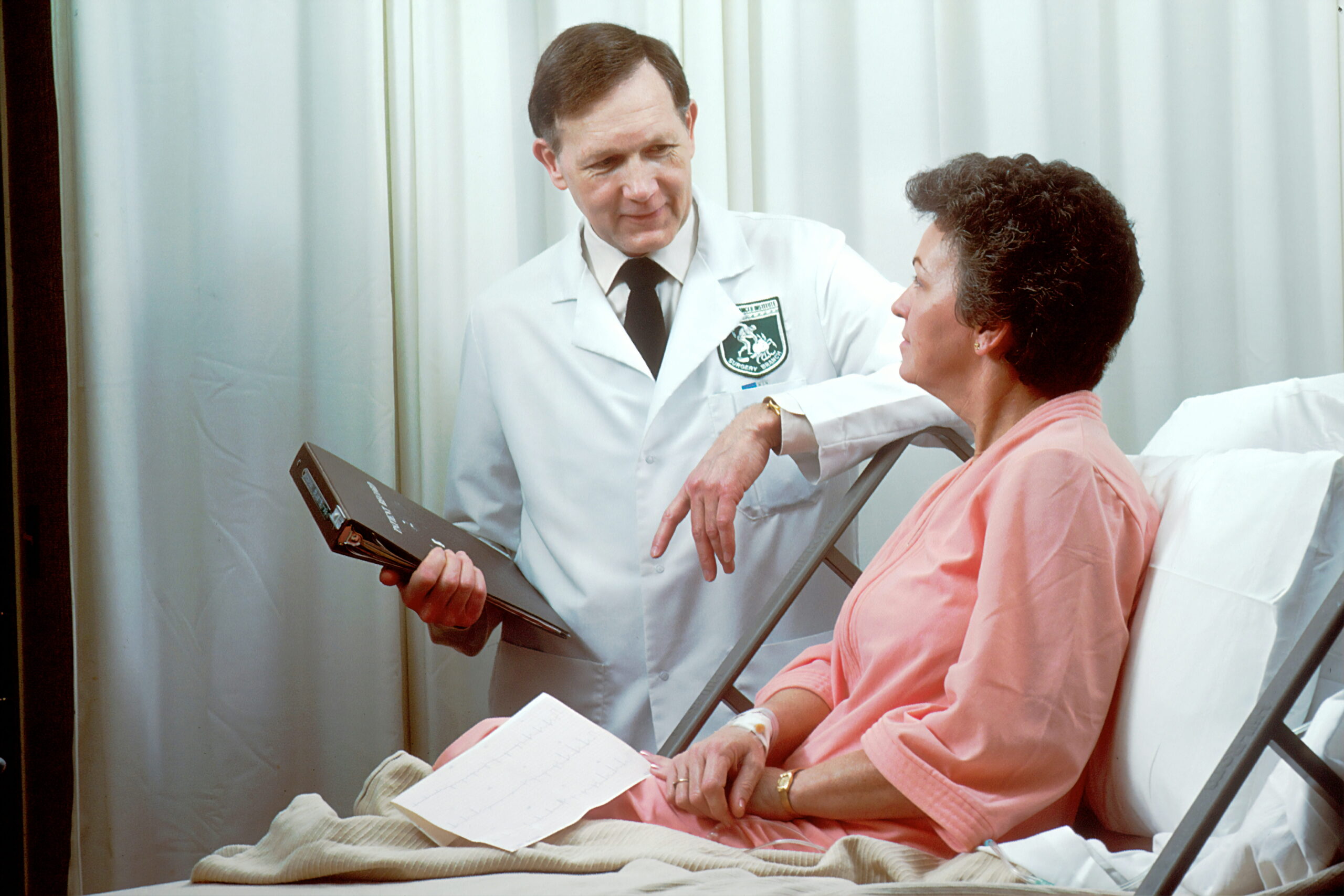
Placing a loved one in a nursing home is often a decision made out of necessity — a family can no longer safely provide the round-the-clock care an aging parent or relative needs. That decision comes with an expectation: that the facility will keep them safe, fed, medicated correctly, and treated with dignity. When that trust is broken, the consequences can be devastating and, in the worst cases, fatal.
If you suspect a loved one has been abused or neglected in a care facility, a nursing home abuse lawyer can help you understand your legal options, investigate what happened, and pursue accountability — both for your family and to help prevent it from happening to someone else.
How Common Is Nursing Home Abuse?
Nursing home abuse is far more widespread than most families realize, and it is significantly underreported. According to the National Center on Elder Abuse (NCEA), a program of the U.S. Administration for Community Living, elder mistreatment — including abuse that occurs in long-term care settings — remains a persistent and often-hidden public health issue. Research cited by elder advocacy organizations estimates that only a small fraction of abuse cases are ever formally reported to authorities, meaning the true scale of the problem is likely much larger than official statistics suggest.
The National Institute on Aging, part of the National Institutes of Health, notes that hundreds of thousands of older adults are abused, neglected, or financially exploited every year — and that mistreatment can come from family caregivers as well as staff at care facilities.
Types of Nursing Home Abuse and Neglect
Nursing home abuse isn’t limited to physical violence. Legally and medically, it falls into several distinct categories, each of which can form the basis of a claim:
- Physical abuse — hitting, pushing, improper restraint use, or rough handling during care
- Neglect — failure to provide adequate food, water, hygiene, medication, or mobility assistance
- Emotional/psychological abuse — verbal threats, humiliation, isolation, or intimidation
- Sexual abuse — any non-consensual sexual contact or activity
- Financial exploitation — theft, coerced changes to wills or power of attorney, or unauthorized use of a resident’s funds
- Medical neglect — medication errors, untreated bedsores (pressure ulcers), failure to respond to falls or medical emergencies
Neglect is often the hardest for families to recognize because it doesn’t always leave obvious marks. Chronic understaffing — a well-documented issue across the nursing home industry — is one of the leading contributing factors to neglect-related injuries, including malnutrition, dehydration, and preventable falls.
Warning Signs of Nursing Home Abuse or Neglect
Families should watch for the following red flags during visits:
- Unexplained bruises, cuts, burns, or fractures
- Bedsores (pressure ulcers), especially in advanced stages
- Sudden weight loss, dehydration, or signs of malnutrition
- Poor hygiene — soiled clothing or bedding, unwashed hair, uncut nails
- Unexplained changes in mood, withdrawal, fearfulness around specific staff
- Overmedication or under-medication (excessive drowsiness or missed doses)
- Unusual financial activity — missing belongings, unexplained withdrawals, sudden changes to legal or financial documents
- Staff refusing to allow you to speak with your loved one privately
If you notice any of these signs, document them immediately — photos, dates, and written notes — and consider requesting your loved one’s medical and care records.
What Does a Nursing Home Abuse Lawyer Actually Do?
1. Investigating the Facility
Attorneys pull the facility’s inspection history, staffing records, and any prior citations. Nursing homes that participate in Medicare or Medicaid are required to be inspected regularly, and violation histories are publicly searchable through the federal Medicare Care Compare tool — a resource lawyers frequently use to establish a pattern of neglect at a specific facility.
2. Gathering Medical Evidence
This includes medical records, incident reports, photographs of injuries, and — when necessary — independent medical evaluations to establish the extent of harm and whether it was preventable.
3. Identifying Liable Parties
Liability isn’t always limited to a single staff member. Depending on the facts, a claim might involve the facility’s ownership group, a staffing agency, a specific caregiver, or the corporate parent company — especially in cases tied to systemic understaffing or cost-cutting.
4. Filing a Civil Claim
Most nursing home abuse and neglect cases are pursued as civil lawsuits — separate from any criminal investigation — seeking compensation for medical costs, pain and suffering, and, in fatal cases, wrongful death damages.
5. Negotiating or Litigating
Many cases settle, but facilities and their insurers often resist admitting fault. An attorney experienced in nursing home litigation can take a case to trial when a fair settlement isn’t offered.
What Compensation Can a Nursing Home Abuse Claim Recover?
- Medical expenses related to the abuse or neglect (hospitalization, wound care, rehabilitation)
- Pain and suffering
- Relocation costs to a safer facility
- Punitive damages, in cases of gross negligence or intentional harm
- Wrongful death damages, if the abuse or neglect contributed to a resident’s death
How Much Does a Nursing Home Abuse Lawyer Cost?
Like most personal injury attorneys, nursing home abuse lawyers typically work on a contingency fee basis:
- No upfront cost for a consultation or to open a case
- The lawyer is paid a percentage of the settlement or verdict — commonly in the range of 25%–40%
- If there’s no recovery, you typically owe nothing
Questions to Ask Before Hiring a Nursing Home Abuse Lawyer
- Have you handled nursing home abuse or neglect cases specifically? This area of law involves specialized knowledge of care standards and facility regulations.
- Can you review the facility’s inspection and citation history? A strong case often relies on showing a pattern, not just a single incident.
- What is your fee structure, in writing?
- How long do these cases typically take? Facility litigation can take longer than a standard personal injury claim, especially if corporate ownership is involved.
- Will you also help report the facility to state regulators? A good attorney often coordinates a legal claim alongside a formal complaint to protect other residents.
What to Do If You Suspect Abuse or Neglect
- Ensure immediate safety — if there’s imminent danger, contact facility management and, if necessary, call 911.
- Document everything — photos of injuries or conditions, dates, and detailed notes of what you observed.
- Request medical and care records from the facility in writing.
- Report to your state’s Long-Term Care Ombudsman — every state has one, and they can investigate independently of any legal claim.
- Consult a nursing home abuse lawyer before agreeing to any facility-initiated “resolution” or settlement offer.
- Avoid confronting staff directly in a way that could put your loved one at further risk before you’ve spoken with an attorney or ombudsman.
Frequently Asked Questions
What if my loved one can’t communicate what happened to them?
This is common, especially with residents who have dementia or Alzheimer’s. Attorneys build these cases using medical records, injury patterns, staffing data, and facility history rather than relying solely on the resident’s testimony.
Is there a time limit to file a nursing home abuse claim?
Yes — every state has a statute of limitations for personal injury and wrongful death claims, and some states have separate, shorter deadlines specifically for claims against long-term care facilities. It’s important to consult a lawyer as soon as possible after discovering the abuse.
Can I sue if my family member has since passed away?
Yes. If neglect or abuse contributed to a resident’s death, families may be able to pursue a wrongful death claim, separate from — or in addition to — a personal injury claim.
Will filing a claim get my loved one kicked out of the facility?
Retaliation against a resident for a family member filing a complaint or lawsuit is illegal. If you’re concerned about this, discuss protective steps with your attorney, including potentially relocating your loved one during the process.
Final Thoughts
No family should have to discover that a loved one was harmed by the very people entrusted to care for them. If you suspect abuse or neglect, acting quickly — documenting evidence, reporting to the appropriate authorities, and consulting a nursing home abuse lawyer — can protect your loved one and help hold negligent facilities accountable.
This article is for general informational purposes and does not constitute legal advice. Consult a licensed attorney in your state for guidance specific to your situation.
Sources:
- National Center on Elder Abuse (NCEA)
- National Institute on Aging — Elder Abuse
- Medicare Care Compare — Nursing Home Search Tool
- U.S. Department of Justice — Elder Justice Initiative
About the Author: James Carter is a contributing writer at TECHOREVIEW, covering consumer guides on legal, insurance, and financial topics to help readers make informed decisions.